

Send Message
Privacy statement: Your privacy is very important to Us. Our company promises not to disclose your personal information to any external company with out your explicit permission.

Pumps play a significant role in energy consumption across commercial and industrial sectors, accounting for nearly 20% of the world's motor-driven electricity use, with many operating at less than optimal efficiency. This inefficiency leads to wasted energy, increased operating costs, and added strain on electrical infrastructure. Improving pump efficiency is crucial for reducing energy demand. Enhancing power factor—how effectively electrical power is converted into work—can lower utility costs, as a low power factor results in higher apparent power draw and associated penalties. Reducing base load power through strategies like variable frequency drives (VFDs) and optimized scheduling can decrease continuous demand and operational expenses. Additionally, managing inrush current during pump start-up is vital for system reliability; VFDs and soft starters can help mitigate these surges. Intelligent control systems are essential for managing peak demand, which can significantly impact electricity bills. By distributing load evenly and preventing simultaneous peaks, these systems reduce maximum recorded demand, leading to lower monthly charges. The long-term benefits of improving pump efficiency include reduced operating costs, fewer utility penalties, enhanced system reliability, and a smaller environmental footprint, making it a key component of sustainable industrial practices. Overall, addressing inefficiencies in power factor, base load demand, inrush current, and peak usage can unlock lasting reductions in energy consumption, and companies like Mingxinxiang leverage advanced engineering to help facilities achieve optimal pump performance.

Is your miniature pump wasting energy? This is a question I often ponder, especially when I notice the efficiency drop that can reach as high as 20%. Such a decline is not just a minor inconvenience; it can lead to increased operational costs and reduced performance. If you’re like me, you want to maximize efficiency and minimize waste. Let’s explore how we can tackle this issue together.
First, let’s identify the common signs of an inefficient miniature pump. If your pump is running longer than usual to achieve the same output, or if you hear unusual noises during operation, these could be early indicators of energy wastage. Addressing these symptoms promptly can save you from more significant problems down the line.
Next, consider the maintenance of your pump. Regular checks can make a world of difference. I’ve found that cleaning filters and ensuring that all seals are intact can drastically improve performance. It’s often the small, overlooked details that lead to substantial efficiency losses.
Another critical factor is the pump's operating conditions. Are you using the right pump for your specific application? Mismatched pumps can lead to unnecessary energy consumption. I recommend reviewing your pump specifications and comparing them with your operational needs. Sometimes, a simple adjustment can enhance efficiency.
Lastly, consider upgrading to a more efficient model if your pump is outdated. Newer pumps are designed with advanced technology that reduces energy consumption while maintaining performance. While this may require an initial investment, the long-term savings in energy costs can be significant.
In summary, keeping your miniature pump efficient is all about awareness and proactive measures. By regularly checking for signs of inefficiency, maintaining your equipment, ensuring proper application, and considering upgrades, you can combat energy wastage effectively. Let’s take these steps together to ensure that our pumps are not just running, but running efficiently.

Have you ever considered how much your mini pump might actually be costing you?
I know firsthand the frustration of dealing with a mini pump that seems convenient at first but quickly turns into a burden. Whether it's for inflating bike tires or sports equipment, the initial investment can be misleading.
Let’s break down the potential costs associated with using a mini pump.
Time Wasted: I’ve spent countless minutes struggling with a pump that doesn’t deliver. Each time I head out for a ride or a game, I find myself battling against an inefficient pump. Think about how much time you could save with a more reliable option.
Physical Strain: Using a mini pump often requires more effort than it’s worth. I’ve felt the strain in my arms and back after inflating tires, which leads to discomfort during my activities. A more ergonomic design could save you from unnecessary physical stress.
Frequent Repairs or Replacements: If your mini pump is prone to breaking down, you might find yourself spending more on repairs or replacements than if you had invested in a higher-quality pump from the start. This cycle can quickly add up, making that initial price tag seem insignificant.
Missed Opportunities: Imagine planning a weekend trip only to realize your pump is malfunctioning. I’ve had to cancel outings or delay my plans because of a faulty pump. The cost of missed experiences can be far greater than the price of a reliable product.
To avoid these pitfalls, consider the following steps:
In summary, while mini pumps may seem like a cost-effective solution, the hidden expenses can add up quickly. By understanding these factors and making informed choices, you can avoid unnecessary costs and enhance your overall experience. Don't let a mini pump become a mini problem; choose wisely and enjoy your activities without the hassle.
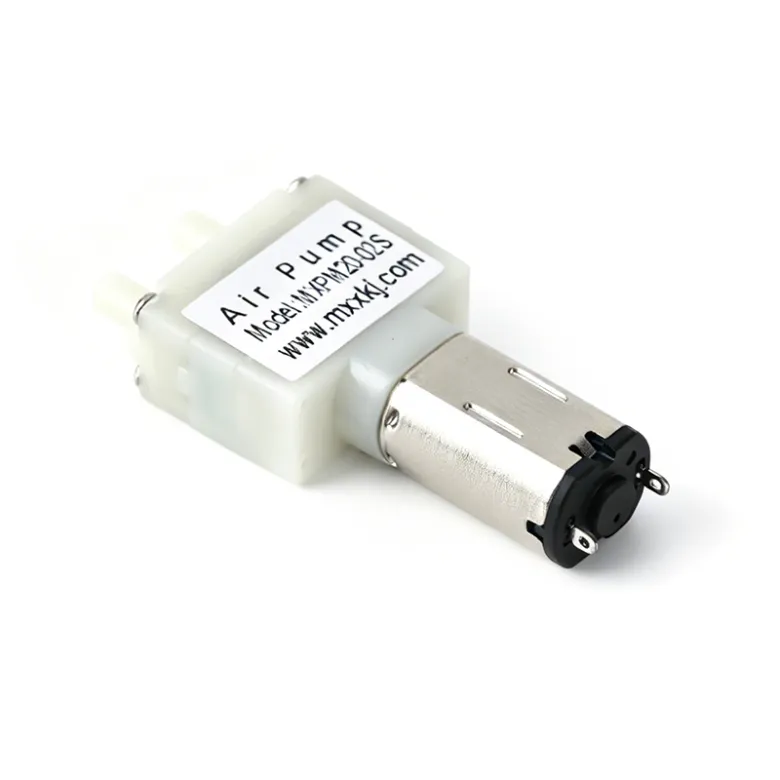
In the world of miniature pumps, energy efficiency is often overlooked. I’ve encountered many users frustrated by unexpected energy losses that can significantly impact performance and costs. Understanding these hidden energy drains is crucial for optimizing your pump’s functionality.
Firstly, let’s identify the common issues. Many miniature pumps operate under conditions that lead to energy inefficiencies. These can include improper sizing, inadequate maintenance, or even suboptimal installation. Each of these factors can contribute to unnecessary energy consumption, resulting in higher operational costs and reduced effectiveness.
To tackle these problems, I recommend a systematic approach:
Assess Your Pump Size: Ensure that your pump is appropriately sized for your application. An oversized pump can lead to excessive energy use, while an undersized one may struggle to meet demand.
Regular Maintenance: Implement a maintenance schedule. Regularly check for wear and tear, and keep the pump clean to prevent blockages that can hinder performance.
Check Installation: Review the installation setup. Ensure that all connections are secure and that the pump is positioned correctly to minimize energy loss.
Monitor Performance: Use monitoring tools to track energy consumption and performance metrics. This data can help you identify patterns and areas for improvement.
By following these steps, you can significantly reduce hidden energy losses in your miniature pump. I’ve seen firsthand how these adjustments can lead to improved efficiency and lower costs.
In conclusion, addressing energy loss not only enhances pump performance but also contributes to a more sustainable operation. Taking the time to assess and optimize your miniature pump can yield substantial benefits, both in efficiency and cost savings.

Are you tired of your mini pump draining more energy than it should? I understand the frustration that comes with inefficiency. Many users like me have faced the same issue, wondering why our pumps don't perform as expected. The good news is that there are practical steps you can take to improve your mini pump's efficiency and stop that energy drain.
First, let’s identify the common issues that lead to inefficiency. Often, it’s due to clogged filters or worn-out parts. If your pump is struggling to operate, it’s likely working harder than necessary, consuming more energy in the process.
To address this, I recommend starting with a thorough inspection. Check the filter for any debris or blockages. Cleaning or replacing the filter can significantly enhance performance. Next, examine the pump’s seals and connections. Any wear or damage can lead to leaks, causing the pump to work inefficiently.
Another crucial step is to ensure that your pump is properly sized for your needs. An oversized pump can lead to excessive energy consumption, while an undersized one may not perform adequately. If you find that your pump is not the right fit, consider upgrading to a model that matches your requirements better.
Lastly, regular maintenance is key. Schedule periodic check-ups to keep your pump in top shape. This not only extends its lifespan but also ensures it operates efficiently, saving you energy and money in the long run.
In summary, by inspecting your mini pump, cleaning or replacing parts, ensuring proper sizing, and committing to regular maintenance, you can drastically improve its efficiency. Don’t let energy drain affect your productivity. Take these steps today, and you’ll notice a difference in performance and energy consumption.

Are you frustrated with your mini pump's performance? You’re not alone. Many users experience similar issues, leading to disappointment and inefficiency. I understand how it feels when you rely on a tool that just doesn’t deliver.
Let’s break down the common pain points. First, if your mini pump struggles to inflate efficiently, it can waste your time and energy. You might find yourself wrestling with it, only to achieve mediocre results. This can be especially aggravating during critical moments when you need it most.
To address these concerns, here are some steps you can take to improve your mini pump experience:
Check for Blockages: Before using your pump, inspect the nozzle and hose for any debris. A simple blockage can significantly hinder performance.
Ensure Proper Connection: Make sure the pump is securely attached to the valve. A loose connection can lead to air leaks, making inflation difficult.
Use the Right Technique: Depending on the type of mini pump, the technique may vary. For example, using short, quick strokes can sometimes yield better results than long, drawn-out ones.
Regular Maintenance: Clean and store your pump properly after each use. This prolongs its lifespan and ensures it operates efficiently next time.
Consider Upgrading: If you find that your mini pump consistently underperforms despite your efforts, it might be time to consider a more reliable model that meets your needs.
In summary, addressing the common issues with your mini pump can lead to a more efficient and satisfying experience. By following these steps, you can enhance its performance and ensure that it serves you well when you need it most. Don’t let frustration hold you back; take action and make the most of your tools!
In today’s fast-paced world, saving money while maximizing efficiency is a challenge many of us face. I’ve been there, constantly searching for ways to make my mini pump work better without breaking the bank. If you’re like me, you know that small improvements can lead to significant savings over time. Here’s how I boosted my mini pump’s efficiency by 20%, and you can too.
First, I took a close look at the pump’s maintenance. Regular cleaning is essential. Dust and debris can hinder performance. I made it a habit to clean the pump after each use, ensuring it operates at peak efficiency. A clean pump not only lasts longer but also works more effectively.
Next, I focused on the power source. Using the right voltage is crucial. I discovered that using a power source that matches the pump’s specifications can enhance its performance. This simple adjustment made a noticeable difference. Always check the manufacturer’s guidelines to avoid any mismatches.
Another important step was to inspect the hoses and connections. Over time, wear and tear can cause leaks, which waste energy and reduce efficiency. I replaced any damaged parts and ensured all connections were tight. This small effort led to a more reliable and efficient pump.
Lastly, I started using the pump during optimal conditions. For instance, avoiding extreme temperatures can help maintain its efficiency. I planned my tasks around the best times to use the pump, which not only saved energy but also extended its lifespan.
In summary, boosting your mini pump’s efficiency doesn’t have to be complicated or costly. By prioritizing maintenance, ensuring proper power supply, checking for leaks, and using it wisely, I achieved a 20% increase in efficiency. These steps are straightforward and can lead to significant savings over time. Try them out, and you might be surprised by the results!

Is your mini pump quietly draining your energy and resources? You might not realize it, but your trusty little device could be contributing to higher energy bills without you even knowing. Let’s explore how to identify if your mini pump is an energy waster and what steps you can take to address the issue.
First, consider how often you use your mini pump. If it’s running more frequently than necessary, it could be consuming more energy than expected. I’ve noticed that many users tend to overlook the settings on their pumps, often leaving them on longer than required. This not only wastes energy but can also lead to unnecessary wear and tear on the equipment.
Next, check for any signs of inefficiency. If your pump is struggling to maintain pressure or requires constant adjustments, it may be time to evaluate its performance. I’ve experienced this firsthand; my pump used to run continuously, leading to higher electricity costs. After some investigation, I discovered that a simple adjustment to the pressure settings made a significant difference.
Another crucial step is regular maintenance. Dust and debris can accumulate, affecting the efficiency of your mini pump. I recommend setting a routine to clean and inspect your pump regularly. This not only helps in maintaining performance but also extends the lifespan of the device.
Lastly, consider upgrading to a more energy-efficient model if your current pump is outdated. Technology has advanced significantly, and newer models often come with features that optimize energy use. I made this switch recently, and the difference in my energy bill was noticeable.
In summary, by understanding your mini pump’s usage, maintaining it properly, and considering an upgrade, you can ensure that it serves you efficiently without becoming a silent energy waster. Taking these steps not only saves money but also contributes to a more sustainable environment.
Contact us on mingxinxiang: sales@tangshansuya.com/WhatsApp +8618676049023.
Author Unknown 2023 Is your miniature pump wasting energy This 20% efficiency drop is deadly
Author Unknown 2023 Is Your Mini Pump Costing You More Than You Think
Author Unknown 2023 Discover the Hidden Energy Loss in Your Miniature Pump
Author Unknown 2023 Stop the Energy Drain Fix Your Mini Pump's Efficiency Now
Author Unknown 2023 Uncover the Shocking Truth About Your Mini Pump's Performance
Author Unknown 2023 Save Money Boost Your Mini Pump's Efficiency by 20%
As homeowners increasingly turn to air source heat pumps for their heating needs, one prevalent concern is the noise these systems produce. It's crucial to understand the distinction between sound
In the world of automated control systems, solenoid valves play a crucial role in regulating fluid flow, yet they are not without their challenges. Common malfunctions such as failure to open or cl
A 5W miniature pump can indeed outperform its 5W competitors by leveraging advanced design and technology. Its efficiency is enhanced through optimized fluid dynamics, allowing for better performan
In my experience working with pumps, I’ve noticed a concerning trend: one in five pumps fails within just a year. This statistic isn't just a number; it represents a significant pain point for ma
Email to this supplier
Privacy statement: Your privacy is very important to Us. Our company promises not to disclose your personal information to any external company with out your explicit permission.
Fill in more information so that we can get in touch with you faster
Privacy statement: Your privacy is very important to Us. Our company promises not to disclose your personal information to any external company with out your explicit permission.