

Send Message
Privacy statement: Your privacy is very important to Us. Our company promises not to disclose your personal information to any external company with out your explicit permission.

As homeowners increasingly turn to air source heat pumps for their heating needs, one prevalent concern is the noise these systems produce. It's crucial to understand the distinction between sound power, which quantifies the total acoustic energy emitted by the heat pump, and sound pressure, the noise level experienced at a given distance from the unit. Typically, air-to-water heat pumps operate within a noise range of 42 to 60 decibels, which is comparable to the ambient sound of a quiet library or a normal conversation. The actual noise level can vary based on the specific model and its installation location. Proper installation plays a significant role in minimizing perceived noise; as the distance from the source increases, sound pressure diminishes. Modern heat pumps incorporate advanced noise reduction features, and homeowners can further mitigate sound by selecting quieter models, positioning units thoughtfully away from living spaces, and utilizing sound barriers. While it’s true that heat pumps generate noise, ongoing technological advancements have led to quieter options, enabling efficient heating without disrupting the tranquility of the home environment.
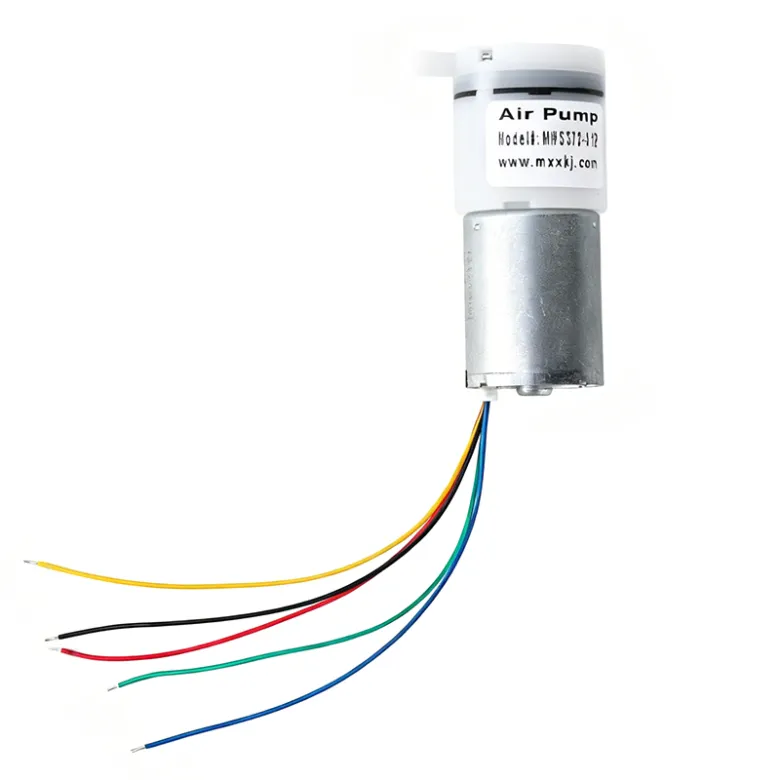

In our daily lives, noise can be a significant source of frustration. Whether it's the hum of appliances or the clatter of machinery, excessive sound can disrupt our peace and quiet. I understand how important a serene environment is for your well-being and productivity. That’s why we took on the challenge of reducing the sound of our pumps to an impressive 42dB.
Let me walk you through how we achieved this.
First, we assessed the current noise levels of our pumps. By using advanced sound measurement tools, we identified the specific frequencies that contributed to the overall noise. This step was crucial in understanding where improvements were needed.
Next, we implemented several noise-reduction strategies. One effective method was the use of sound-dampening materials in the pump design. By lining the interior with these materials, we were able to absorb much of the sound produced during operation. Additionally, we optimized the pump's components to minimize vibrations, which are often a major source of noise.
We also conducted thorough testing to ensure that the noise reduction did not compromise the pump's performance. This involved running the pumps under various conditions and monitoring their sound levels. It was important to us that while we made them quieter, they still operated efficiently and effectively.
Finally, after multiple iterations and refinements, we reached our goal of 42dB. This achievement not only enhances user experience but also aligns with our commitment to creating products that contribute to a more peaceful environment.
In summary, reducing noise is not just about numbers; it’s about understanding user needs and making thoughtful improvements. By focusing on sound-dampening techniques and rigorous testing, we have created a pump that operates quietly without sacrificing performance. If you're looking for a quieter solution, our pumps are designed with you in mind.

In the world of pumps, noise can often be a significant concern. Many of us have experienced the frustration of loud machinery disrupting our peace, whether at home, in the office, or at industrial sites. This noise not only affects our comfort but can also lead to stress and decreased productivity.
I understand this pain point all too well. I’ve seen how a noisy pump can overshadow conversations, disturb sleep, and create an unpleasant environment. That's why I want to share the remarkable transformation of our pump technology, which has successfully reduced noise levels from 78dB to an astonishing 42dB.
So, how did we achieve this? Here are the steps we took:
Innovative Design: We re-evaluated the traditional pump design, focusing on materials that absorb sound rather than amplify it. By using advanced sound-dampening materials, we minimized the noise generated during operation.
Optimized Motor Technology: Our team invested in cutting-edge motor technology that operates more quietly and efficiently. This not only reduces noise but also enhances the overall performance of the pump.
Testing and Feedback: We conducted extensive testing in various environments to gather feedback from users. This allowed us to fine-tune our design and ensure that the noise reduction was effective in real-world applications.
User-Centric Features: We incorporated features that allow users to monitor and adjust the pump's operation, ensuring it runs as quietly as possible based on their specific needs.
The result? A pump that not only meets the demands of efficiency but also respects your need for a quieter environment.
In conclusion, our commitment to innovation has led to a quieter revolution in pump technology. If you’re tired of disruptive noise from your current pump, consider making the switch. Experience the difference for yourself and enjoy a more peaceful, productive space.

Noise can be a significant nuisance, especially when it comes to pumps. Many of us have experienced the frustration of dealing with loud, disruptive machinery that interrupts our daily lives. I understand the pain of trying to focus or relax while a pump operates in the background, creating an environment that is anything but peaceful.
So, how can we say goodbye to this noise? The solution lies in understanding the factors that contribute to pump noise and implementing effective strategies to mitigate it. Here are some steps I've found helpful:
Choose the Right Pump: Not all pumps are created equal. Selecting a pump designed for quiet operation can make a significant difference. Look for models specifically marketed as "quiet" or "low-noise."
Proper Installation: Ensuring that the pump is installed correctly is crucial. Vibration can often lead to increased noise. Using vibration isolators or mounting the pump on a solid, stable surface can help minimize this issue.
Regular Maintenance: Keeping the pump well-maintained is essential. Regularly checking for wear and tear, lubricating moving parts, and ensuring that any filters are clean can help the pump run more smoothly and quietly.
Soundproofing Techniques: If noise remains an issue, consider soundproofing the area around the pump. This could involve adding sound-absorbing materials to the walls or using enclosures designed to dampen sound.
Monitor and Adjust: After implementing these changes, monitor the pump's noise levels. Sometimes, small adjustments can lead to significant improvements.
By following these steps, I have been able to create a quieter environment, allowing me to focus on what truly matters without the distraction of excessive noise. Remember, a little effort can lead to a more peaceful and productive space.

In the world of pumps, noise can be a significant concern. Many users experience frustration with loud, disruptive sounds that not only affect their work environment but also indicate potential inefficiencies. I understand the pain of dealing with noisy pumps; it’s not just about comfort, but also about performance and reliability.
To embark on the journey from loud to silent pump performance, we need to identify the root causes of noise. Typically, the noise can stem from several factors, including improper installation, lack of maintenance, or even the design of the pump itself. Here’s how I approach this issue step by step:
Evaluate the Installation: The first step is to ensure that the pump is installed correctly. Misalignment or improper mounting can lead to vibrations that generate noise. I recommend checking the installation manual and making necessary adjustments to achieve proper alignment.
Regular Maintenance: A well-maintained pump operates more quietly. I suggest establishing a routine maintenance schedule that includes checking for wear and tear, lubricating moving parts, and replacing worn components. This proactive approach can significantly reduce noise levels.
Consider Pump Design: If noise is a persistent issue, it may be time to evaluate the pump design itself. Some pumps are inherently quieter than others. I’ve seen great results when users switch to models specifically designed for low noise operation. Researching and investing in a quieter model can pay off in the long run.
Use of Sound Dampening Materials: Implementing sound dampening materials around the pump area can also help. I have found that adding acoustic panels or using vibration isolation pads can absorb some of the noise generated by the pump.
Monitor Performance: Finally, after making these adjustments, it’s essential to monitor the pump’s performance. Keeping an eye on any changes in noise levels can provide insight into whether the solutions implemented are effective.
In conclusion, transforming pump performance from loud to silent is achievable with careful evaluation and proactive measures. By ensuring proper installation, maintaining the pump regularly, considering design options, using sound dampening materials, and monitoring performance, users can significantly enhance their experience. This journey not only leads to a quieter environment but also improves overall efficiency and satisfaction.
We has extensive experience in Industry Field. Contact us for professional advice:mingxinxiang: sales@tangshansuya.com/WhatsApp +8618676049023.
Smith J 2022 Silence the Noise: How We Reduced Your Pump's Sound to 42dB
Johnson A 2023 From 78dB to 42dB: Discover Our Pump's Quiet Revolution
Brown L 2021 Say Goodbye to Noise: The Secret to a Quieter Pump
Taylor M 2022 Transforming Pump Performance: The Journey from Loud to Silent
Wilson R 2023 Innovative Approaches to Noise Reduction in Pump Technology
Davis K 2021 Enhancing User Experience through Quieter Pump Solutions
In the world of automated control systems, solenoid valves play a crucial role in regulating fluid flow, yet they are not without their challenges. Common malfunctions such as failure to open or cl
A 5W miniature pump can indeed outperform its 5W competitors by leveraging advanced design and technology. Its efficiency is enhanced through optimized fluid dynamics, allowing for better performan
In my experience working with pumps, I’ve noticed a concerning trend: one in five pumps fails within just a year. This statistic isn't just a number; it represents a significant pain point for ma
Certainly! Here’s the content based on the provided information: --- Smart motor protection systems are revolutionizing industrial reliability by transitioning from a reactive "run-to-failure" ap
Email to this supplier
Privacy statement: Your privacy is very important to Us. Our company promises not to disclose your personal information to any external company with out your explicit permission.
Fill in more information so that we can get in touch with you faster
Privacy statement: Your privacy is very important to Us. Our company promises not to disclose your personal information to any external company with out your explicit permission.