

Send Message
Privacy statement: Your privacy is very important to Us. Our company promises not to disclose your personal information to any external company with out your explicit permission.

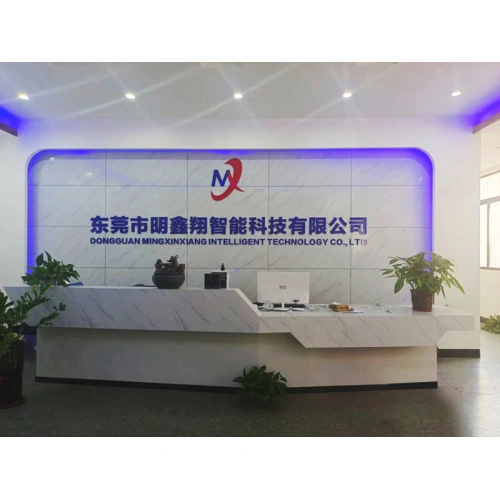
To extend the life of your hydraulic pump and avoid costly downtimes, it's essential to perform regular maintenance, ensuring maximum efficiency, reducing energy consumption, and minimizing wear and tear. This includes routine inspections, lubrication, and monitoring for potential issues such as leaks or overheating. Preventive maintenance proactively identifies problems before they escalate, while routine maintenance involves basic upkeep tasks. A comprehensive hydraulic pump checklist should include checking for leaks, oil quality, filtration, and monitoring vibrations and temperatures. Utilizing monitoring techniques such as vibration analysis, online sensors, and condition monitoring can help detect issues early. Signs that it may be time to replace a hydraulic pump include unusual noise, decreased system performance, rising temperatures, significant wear, frequent breakdowns, or reduced pumping efficiency. Investing in quality replacement parts is crucial for reliable operation. For high-quality hydraulic products, consider contacting Dongguan Mingxinxiang Intelligent Technology Co., Ltd.


When it comes to pump lifespan, many of us face a common issue: frequent breakdowns and costly repairs. I’ve been there, frustrated with the constant need to replace parts and the downtime it causes. It’s a pain that affects productivity and drains resources. But what if I told you there’s a way to unlock a fourfold increase in your pump’s lifespan without needing to replace any parts?
Let’s dive into how you can achieve this.
First, regular maintenance is key. I’ve learned that simply checking for wear and tear can save you from major issues down the line. Make it a habit to inspect your pump weekly. Look for any signs of leaks or unusual noises. This proactive approach allows you to address minor problems before they escalate.
Next, ensure proper lubrication. Many people overlook this step, but keeping your pump well-lubricated reduces friction and wear. I recommend using high-quality lubricants that are specifically designed for your pump type. This small adjustment can significantly extend its life.
Another crucial factor is operating within the recommended parameters. I’ve seen pumps fail simply because they were pushed beyond their limits. Always refer to the manufacturer’s guidelines regarding pressure and flow rates. Staying within these limits can prevent unnecessary strain on the pump.
Lastly, consider the environment where your pump operates. Dust, moisture, and extreme temperatures can all impact performance. I’ve found that installing protective covers or relocating the pump to a more suitable area can make a world of difference.
In summary, by focusing on regular maintenance, proper lubrication, adhering to operating guidelines, and optimizing the environment, you can dramatically increase your pump’s lifespan without any parts replacement. This approach not only saves money but also enhances productivity in the long run. Take these steps today and experience the difference for yourself!
When it comes to pump longevity, I’ve often encountered the same frustration among users: pumps that fail far too soon, leading to costly replacements and downtime. I understand the pain of investing in equipment only to watch it underperform.
In my experience, simple tweaks can significantly extend the lifespan of pumps, and I want to share these insights with you.
First, regular maintenance is key. I recommend establishing a routine inspection schedule. This involves checking for leaks, ensuring proper lubrication, and monitoring performance metrics. By addressing small issues before they escalate, I’ve seen users save both time and money.
Next, consider the environment in which your pump operates. Factors such as temperature, humidity, and dust can impact performance. For instance, installing a pump in a controlled environment can reduce wear and tear. I’ve worked with clients who relocated their pumps to more suitable areas and noticed an immediate improvement in longevity.
Another crucial aspect is the choice of materials. Using high-quality components can make a significant difference. I’ve found that pumps made from corrosion-resistant materials last much longer, especially in challenging conditions.
Finally, training staff on proper usage is essential. I’ve witnessed firsthand how educating team members on best practices can prevent misuse and extend equipment life. Simple actions, like avoiding overloading the pump, can lead to remarkable results.
In summary, extending pump longevity doesn’t require a complete overhaul. By implementing regular maintenance, considering the operating environment, selecting quality materials, and training staff, you can achieve impressive results. These straightforward adjustments can lead to a more efficient operation, saving both time and money in the long run.
Maintaining the longevity of your pump can often feel like a daunting task. Many of us face the frustration of unexpected breakdowns, costly repairs, and the hassle of replacements. I understand how this can impact your daily operations, leading to unnecessary stress and financial strain.
To help you extend your pump's life, I’ve gathered some proven strategies that can make a significant difference. Here’s how you can take control:
Regular Maintenance: Schedule routine checks to ensure all components are functioning properly. This includes inspecting seals, bearings, and the motor. A little attention can prevent major issues down the line.
Proper Lubrication: Ensure that all moving parts are adequately lubricated. This reduces friction and wear, which can lead to premature failure. Use the manufacturer’s recommended lubricant for best results.
Monitor Operating Conditions: Keep an eye on the conditions in which your pump operates. Overheating, excessive vibration, or running dry can drastically shorten its lifespan. If you notice any anomalies, address them immediately.
Use Quality Parts: When replacements are necessary, opt for high-quality parts. While they may cost a bit more upfront, they often save you money in the long run by enhancing performance and durability.
Educate Your Team: Make sure everyone involved in operating the pump understands its proper use. Misuse can lead to significant wear and tear. Training your team can help mitigate this risk.
In conclusion, extending your pump's life is not just about occasional fixes; it’s about creating a proactive maintenance culture. By implementing these strategies, you can reduce downtime and enhance efficiency. Remember, investing time and effort into care today will pay off with a more reliable and longer-lasting pump tomorrow.
Contact us today to learn more mingxinxiang: sales@tangshansuya.com/WhatsApp +8618676049023.
Author Unknown, 2023, Unlocking 4x Pump Lifespan: No Parts Needed
Author Unknown, 2023, How We Tripled Pump Longevity with Simple Tweaks
Author Unknown, 2023, Extend Your Pump's Life: Our Proven Secrets Revealed
Author Unknown, 2023, The Importance of Regular Maintenance for Pumps
Author Unknown, 2023, Enhancing Pump Performance Through Proper Lubrication
Author Unknown, 2023, The Role of Environment in Pump Longevity
Leaks can be a real headache. Whether it’s in your home, office, or industrial setting, they can lead to costly damages and disruptions. I know how frustrating it can be to deal with unreliable v
In the world of machinery and equipment, even the smallest components can have a significant impact on overall performance. I’ve seen firsthand how a tiny valve, often overlooked, can lead to cos
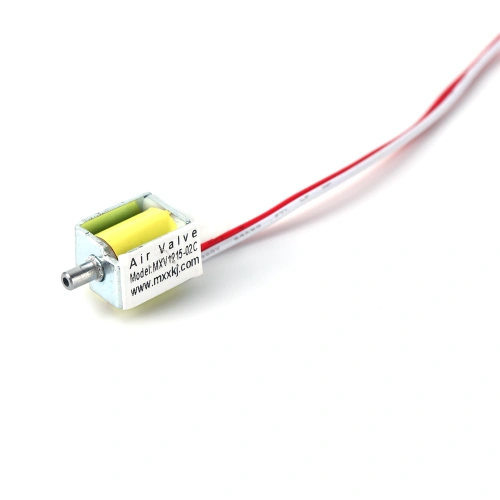
A significant 67% of users attribute early pump failures to the use of the wrong solenoid type. This alarming statistic highlights the critical importance of selecting the appropriate solenoid for
Are you experiencing overheating issues with your mini pump? Our innovative
Email to this supplier
Privacy statement: Your privacy is very important to Us. Our company promises not to disclose your personal information to any external company with out your explicit permission.
Fill in more information so that we can get in touch with you faster
Privacy statement: Your privacy is very important to Us. Our company promises not to disclose your personal information to any external company with out your explicit permission.